
For too long, women navigating the hormonal transitions of perimenopause and menopause have been given a fragmented map. We’re told to manage hot flashes here, address mood swings there, and tackle sleep issues and weight gain as separate, unrelated battles. This piecemeal approach is exhausting and often ineffective because it misses the central command center influencing all these symptoms: the gut.
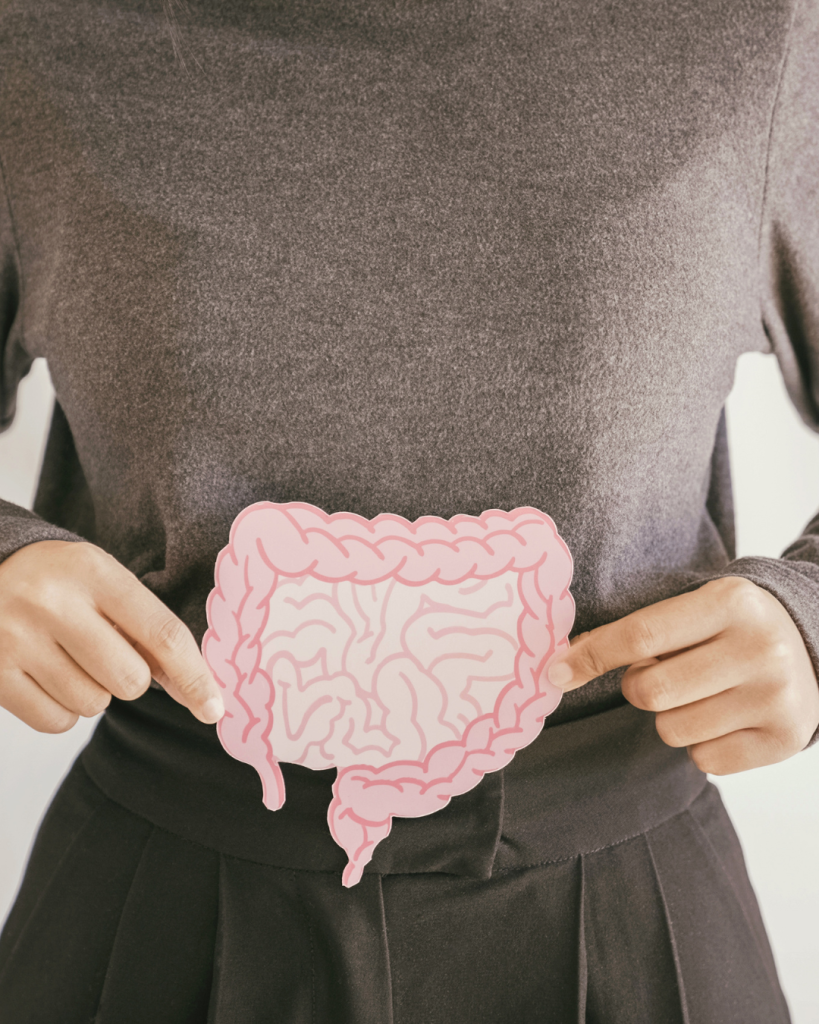
More than just a digestive tube, your gut is a thriving ecosystem—a microbiome—home to trillions of bacteria, viruses, and fungi that communicate directly with your hormones in a constant, dynamic dialogue. When this gut ecosystem is out of balance, this conversation turns into a shouting match, amplifying every symptom of hormonal change. Understanding this profound connection is the first, most crucial step toward reclaiming your vitality and finding true balance from the inside out.
Part 1: The Living World Within – Your Gut Microbiome Explained
Imagine a lush, diverse rainforest inside you. That’s your gut microbiome in a state of health—a complex community where “good” (beneficial) and “bad” (potentially harmful) microbes coexist. Their balance determines the health of the entire ecosystem. These microscopic residents aren’t just passive tenants; they are active participants in your health, essential for:
- Digesting food and synthesizing key vitamins (like B vitamins and Vitamin K).
- Training your immune system, ensuring it’s vigilant but not overreactive.
- Maintaining the integrity of the gut lining, a critical barrier that prevents toxins from leaking into the bloodstream.
- Producing a staggering array of chemical messengers that influence everything from your brain chemistry to your hormone levels.
The composition of your microbiome is unique, shaped by diet, lifestyle, stress, environment, and, crucially, your hormonal landscape. And in a beautiful, reciprocal relationship, the state of your gut directly shapes that hormonal landscape in return.
Part 2: The Intimate Dialogue: Gut Bugs and Hormones
The conversation between your gut and your hormones is a two-way street of immense complexity. Let’s break down how your microbiome interacts with the key hormonal players for women: estrogen, progesterone, and testosterone.
The Estrobolome & The Estrogen Connection
A specific group of gut bacteria is collectively known as the “estrobolome.” These bacteria produce an enzyme called beta-glucuronidase. Here’s how this pivotal interaction works:
- After your liver processes used estrogen, it packages it up for elimination and sends it to the gut via bile.
- The enzyme beta-glucuronidase acts like a pair of scissors, cutting the estrogen free from its package.
- This “deconjugated” estrogen can then be reabsorbed back into the bloodstream to be used again.
The Balance: A healthy, diverse estrobolome maintains an optimal level of this enzyme activity, ensuring just the right amount of estrogen recycling to support bone health, brain function, and stable moods.
The Dysfunction: If the gut is imbalanced (a state called dysbiosis), with too many bacteria producing high levels of beta-glucuronidase, too much estrogen is recirculated. This can contribute to estrogen dominance symptoms like heavy periods, breast tenderness, and fibroid growth. Conversely, if the estrobolome is depleted (due to poor diet, antibiotics, or stress), estrogen elimination is too efficient, leading to a rapid drop in available estrogen, worsening menopausal symptoms like vaginal dryness and bone loss.
Progesterone, Cortisol & The Gut-Brain Axis
Your gut microbiome is in constant communication with your brain via the gut-brain axis, a superhighway of nerves, immune signals, and gut-produced neurotransmitters.
- Cortisol Hijack: Chronic stress raises cortisol. High cortisol can:
- Damage the gut lining, increasing permeability (“leaky gut”).
- Alter the microbiome, reducing microbial diversity.
- Directly compete with progesterone. Progesterone and cortisol are made from the same raw material (pregnenolone). When your body is in constant “stress mode,” it shunts production toward making more cortisol at the expense of progesterone—a phenomenon known as “pregnenolone steal.” This can exacerbate the natural progesterone decline of perimenopause.
- Gut-Made Mood Managers: Your gut bacteria directly produce or influence about 90% of your body’s serotonin (the “feel-good” neurotransmitter) and significant amounts of GABA (a calming neurotransmitter). A disrupted microbiome can directly lead to decreased production of these chemicals, contributing to the anxiety, low mood, and irritability so common during hormonal shifts.
Testosterone & Metabolic Harmony
While often considered a “male” hormone, testosterone is vital for female libido, muscle strength, energy, and mental clarity. Gut dysbiosis and the resulting inflammation can impair the ovaries’ and adrenal glands’ ability to produce hormones efficiently. Furthermore, an imbalanced gut can contribute to insulin resistance. Elevated insulin levels can increase the production of androgens (like testosterone) in the ovaries, which can sometimes manifest as acne or facial hair, while paradoxically not improving libido due to the overall inflammatory state.
Part 3: The Symptom Connection – Why Your Gut is the Missing Link
When you view perimenopause and menopause through the lens of gut health, the confusing constellation of symptoms begins to make profound sense. The hormonal fluctuations of this life stage don’t happen in a vacuum—they interact with the foundation of your gut.
Here’s how gut dysbiosis directly fuels the most common complaints:
- Stubborn Weight Gain & Belly Fat: Dysbiosis promotes systemic inflammation and insulin resistance, making your body more likely to store fat, especially around the abdomen. It can also alter signals for hunger and satiety (like leptin and ghrelin), leading to increased cravings, particularly for sugar and carbs.
- Crushing Fatigue & Low Energy: An inflamed, leaky gut strains the immune system, which is energetically expensive. If your gut isn’t breaking down and absorbing nutrients effectively (like B12 and iron), you’ll lack the raw materials to produce cellular energy. This fatigue is more than just “tired”; it’s a deep, unrefreshing drain.
- Anxiety, “Brain Fog,” & Mood Swings: Remember, your gut makes your serotonin. Dysbiosis means less serotonin production, directly impacting mood. Inflammation from a leaky gut can also travel via the gut-brain axis to the brain, triggering neuroinflammation, which is now strongly linked to anxiety, depression, and cognitive fog.
- Intensified Hot Flashes & Night Sweats: Emerging research suggests that certain beneficial gut bacteria help regulate body temperature. Dysbiosis may disrupt this regulation. Furthermore, the inflammation caused by a leaky gut can make the body’s thermoregulatory system in the hypothalamus more sensitive and reactive.
- Joint Pain & Aches: Leaky gut allows inflammatory compounds (like LPS endotoxins from bacteria) to escape into the bloodstream, triggering a body-wide inflammatory response that often settles in the joints, exacerbating pain and stiffness.
- Sleep Disruptions: Gut dysbiosis can disrupt the production of melatonin (your sleep hormone) and the calming neurotransmitter GABA, making it hard to fall asleep or stay asleep.
Part 4: The Path to Rebalance: Nourishing Your Inner Ecosystem
The empowering news is that you are not at the mercy of this cycle. You can directly influence your microbiome and, in doing so, fundamentally change the hormonal conversation in your body. Healing is a layered process, not a single pill.
1. Nourish with Prebiotic Fibers: Beneficial gut bacteria need specific foods to thrive. These are called prebiotics. Prioritize a diverse array of plants:
* Vegetables: Garlic, onions, leeks, asparagus, Jerusalem artichokes, dandelion greens.
* Fruits: Berries, apples, bananas.
* Resistant Starch: Cooled cooked potatoes or rice, green bananas, legumes.
* Aim for 30+ different plant foods per week to cultivate microbial diversity.
2. Cultivate with Probiotic & Fermented Foods: Introduce beneficial bacteria directly.
* Fermented Foods: Sauerkraut, kimchi, kefir (dairy or coconut), plain yogurt, kombucha, miso. Start slowly to allow your system to adjust.
3. Eliminate the Aggravators: Reduce what feeds harmful bacteria and damages the gut lining.
* Inflammatory Oils: Limit processed seed oils (soybean, corn, canola).
* Refined Sugars & Flours: These are rocket fuel for dysbiotic bacteria and yeast.
* Processed Foods: Often contain emulsifiers and additives that can harm the gut lining.
* Identify Personal Sensitivities: Common irritants like gluten or dairy can be a source of chronic inflammation for some. An elimination diet can be a valuable investigative tool.
4. Support the Gut Lining: Repair is essential.
* Bone Broth: Rich in collagen, gelatin, and amino acids like glutamine that help heal the intestinal lining.
* L-Glutamine Supplementation: A key amino acid that serves as fuel for intestinal cells.
* Zinc: A critical mineral for maintaining gut lining integrity.
5. Manage the Master Hormone: Stress. You cannot supplement your way out of a high-stress life. Chronic stress is a direct gut disruptor.
* Nervous System Practices: Engage in daily habits that signal “safety” to your body: diaphragmatic breathing, gentle walks in nature, meditation, yoga, or even humming/singing (which stimulates the vagus nerve).
6. Move Mindfully: Regular exercise increases microbial diversity. However, excessive intense exercise can become a stressor. Focus on joyful movement—walking, cycling, strength training—that supports, rather than depletes, your system.
Conclusion: Your Gut is Your Foundation for the Next Chapter
The journey through perimenopause and menopause is not a decline; it is a profound transition. By tending to the foundation of your gut, you are not just managing symptoms—you are actively participating in creating a new state of balance. You are shifting the internal conversation from one of inflammation and dysregulation to one of harmony and resilience.
When you feed your microbiome with intention, manage your stress with compassion, and understand the deep dialogue between your gut and your hormones, you reclaim agency over your health. This knowledge empowers you to move from feeling at the mercy of your hormones to becoming the skilled conductor of your own symphony of well-being.
This is the heart of my work at SuzanneElkind.com. I guide women to see their bodies as interconnected ecosystems, not a collection of broken parts. Together, we build personalized protocols that start with the gut, calm the nervous system, and support hormonal harmony, so you can navigate this transition with clarity, energy, and grace.
Your gut is not the problem; it is the pathway to the solution. It’s time to start the conversation within.