
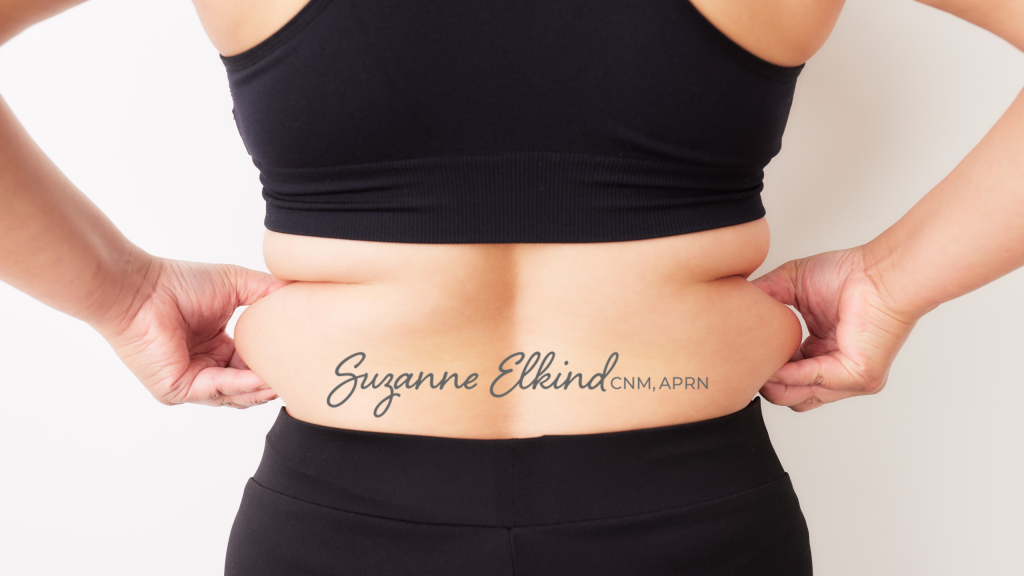
Understanding the hidden connection between hormone deficiency and stubborn fat accumulation
Have you ever wondered why some areas of your body seem to accumulate fat no matter how well you eat or how much you exercise? As a certified nurse-midwife and advanced practice registered nurse, I see countless patients frustrated by what I call “pocketed fat”—those stubborn areas where fat seems to collect and resist all your best efforts to eliminate it.
The truth is, your hormones play a far more significant role in fat distribution than most people realize. When hormone levels drop below optimal ranges, your body doesn’t just slow down—it fundamentally changes how and where it stores fat. Today, I want to help you understand this complex relationship and show you why addressing hormone deficiencies might be the missing piece in your health and wellness puzzle.
What Are “Pocketed Fats”?
Before we dive into the hormonal connections, let’s clarify what we mean by pocketed fat. This term describes fat that accumulates in specific areas of the body, creating distinct “pockets” or deposits that seem resistant to traditional weight loss methods. These areas commonly include:
- Visceral fat around the midsection (the deep abdominal fat that surrounds organs)
- Subcutaneous fat in the hips and thighs (the “pinchable” fat just under the skin)
- Fat deposits around the upper arms and back
- Stubborn belly fat that won’t respond to diet and exercise
- Fat accumulation around the neck and face
What makes these fat deposits particularly frustrating is their resistance to change, even when overall body weight decreases. This resistance isn’t a failure of willpower—it’s a direct result of hormonal imbalances affecting how your body stores and releases fat.
The Hormone-Fat Connection: Understanding the Science
Adipose Tissue as an Endocrine Organ
Many people think of fat tissue as simply energy storage, but adipose tissue is actually a sophisticated endocrine organ that both produces and responds to hormones. Fat tissue categorized as subcutaneous fat tissue (SCAT) or visceral fat tissue (VAT) depending on its distribution, with the two having different metabolic functions.
When hormone levels drop, this intricate system becomes disrupted, leading to:
- Altered fat metabolism
- Changes in where fat is stored
- Increased insulin resistance
- Inflammation that promotes fat retention
- Decreased ability to mobilize stored fat for energy
How Hormones Regulate Fat Distribution
Your hormones act as chemical messengers that control:
- Where fat is stored in your body
- How easily fat can be mobilized for energy
- Your metabolic rate and calorie burning
- Appetite and cravings for certain foods
- Insulin sensitivity and blood sugar regulation
When these hormones are in balance, your body efficiently manages fat storage and utilization. However, when hormone levels drop, this delicate system becomes disrupted, leading to the accumulation of pocketed fats.
Key Hormones That Affect Fat Distribution
1. Estrogen: The Fat Distribution Director
Estrogen plays a crucial role in determining where your body stores fat. During the reproductive years, adequate estrogen levels promote:
- Fat storage in the hips, thighs, and buttocks (subcutaneous fat)
- Protection against visceral fat accumulation
- Healthy insulin sensitivity
- Optimal metabolic function
When Estrogen Levels Drop:
- Visceral fat increases significantly – This is why estrogen and visceral fat have an inverse relationship: the higher your estrogen, the lower your visceral fat, and vice versa
- Fat distribution shifts from “pear-shaped” to “apple-shaped”
- Metabolism slows down
- Insulin resistance increases
- The body struggles to mobilize stored fat
Research shows that postmenopausal women who are taking estrogen supplements don’t accumulate fat around their abdomen, while those without estrogen replacement experience significant increases in dangerous visceral fat.
2. Testosterone: The Muscle and Metabolism Protector
Both men and women need adequate testosterone levels for optimal body composition. Testosterone supports:
- Muscle mass maintenance – more muscle burns more calories, even at rest
- Fat distribution – keeps fat from concentrating around the abdomen
- Metabolism – helps your body process calories efficiently
- Energy and motivation – makes it easier to stay active
When Testosterone Levels Drop: Lower testosterone leads to muscle loss, which reduces calorie burn. Your body stores more fat, especially around the belly and chest. The changes with age in sex hormone levels are associated with changes in body fat distribution.
For men, declining testosterone is directly linked to:
- Increased abdominal fat
- Loss of muscle mass
- Slower metabolism
- Reduced ability to build and maintain lean tissue
For women, low testosterone contributes to:
- Difficulty building muscle
- Increased fat storage
- Reduced metabolic rate
- Decreased motivation for physical activity
3. Thyroid Hormones: The Metabolic Masters
Your thyroid hormones (T3 and T4) are the primary regulators of your metabolic rate. They control:
- How fast your body burns calories
- How efficiently you convert food to energy
- Your body temperature regulation
- Protein synthesis and muscle maintenance
When Thyroid Hormones Are Low (Hypothyroidism):
- Metabolism slows dramatically
- The body preferentially stores fat rather than burning it
- Water retention increases
- Energy levels plummet
- Body temperature regulation becomes impaired
Many hormones can affect how your body signals that you need food and how your body uses energy, so an imbalance of certain hormones can result in weight gain in the form of fat storage. Low thyroid hormone levels are one of the most common causes of unexplained weight gain and difficulty losing fat.
4. Insulin: The Fat Storage Hormone
Insulin is your body’s primary fat storage hormone. When functioning properly, it helps:
- Transport glucose into cells for energy
- Regulate blood sugar levels
- Control fat storage and mobilization
- Maintain stable energy levels
When Insulin Resistance Develops:
- High insulin levels promote fat storage, especially visceral fat
- The body struggles to access stored fat for energy
- Cravings for carbohydrates and sugar increase
- Fat accumulation accelerates, particularly around the midsection
Insulin resistance often develops when other hormones are imbalanced, creating a cascade effect that promotes pocketed fat accumulation.
5. Cortisol: The Stress-Fat Connection
Cortisol, your primary stress hormone, has profound effects on fat distribution. In normal amounts, cortisol helps:
- Regulate metabolism
- Control inflammation
- Manage blood sugar
- Support the stress response
When Cortisol Levels Are Chronically High:
- Fat preferentially accumulates around the midsection
- Muscle tissue breaks down
- Insulin resistance increases
- Appetite for high-calorie foods increases
- Sleep quality deteriorates, further disrupting hormone balance
Chronic stress and elevated cortisol create a perfect storm for pocketed fat accumulation, particularly dangerous visceral fat.
6. Growth Hormone: The Anti-Aging Fat Fighter
Growth hormone (GH) plays a crucial role in:
- Maintaining muscle mass
- Promoting fat breakdown (lipolysis)
- Supporting protein synthesis
- Regulating metabolism
When Growth Hormone Levels Decline:
- Visceral fat accumulation increases significantly
- Muscle mass decreases
- Recovery from exercise slows
- Overall metabolic rate drops
Research shows that visceral fat accumulation may reduce GH secretion through multiple mechanisms, and relative GH deficiency may, in turn, exacerbate visceral adiposity because of decreased hormone sensitive lipolysis.
The Vicious Cycle: How Low Hormones Create More Fat Storage
One of the most challenging aspects of hormone-related fat accumulation is that it creates a self-perpetuating cycle:
The Downward Spiral
- Hormone levels drop due to aging, stress, or other factors
- Fat accumulation increases, particularly visceral fat
- Fat tissue produces inflammatory substances that further disrupt hormone function
- Insulin resistance develops, making fat storage easier and fat burning harder
- More fat accumulates, creating even more hormonal disruption
- The cycle continues and intensifies over time
Breaking the Cycle
Understanding this cycle is crucial because it explains why traditional “calories in, calories out” approaches often fail when hormonal imbalances are present. You can’t simply out-exercise or out-diet a hormonal problem—you need to address the root cause.
Recognizing the Signs of Hormone-Related Fat Accumulation
Physical Signs
- Sudden weight gain despite no changes in diet or exercise
- Difficulty losing weight even with caloric restriction
- Change in body shape, particularly increased midsection
- Loss of muscle definition and strength
- Increased cravings for carbohydrates and sweets
- Stubborn fat deposits that don’t respond to traditional methods
Other Symptoms That Often Accompany Hormone-Related Fat Gain
- Fatigue and low energy
- Sleep disturbances
- Mood changes and irritability
- Brain fog and difficulty concentrating
- Reduced libido
- Hair thinning or loss
- Skin changes
- Temperature regulation issues
The Health Risks of Pocketed Fat Accumulation
Visceral Fat: The Most Dangerous Type
Not all fat is created equal. Visceral fat—the deep abdominal fat that surrounds your organs—is particularly dangerous because it:
- Produces inflammatory chemicals that increase disease risk
- Interferes with normal organ function
- Increases insulin resistance
- Elevates cardiovascular disease risk
- Contributes to type 2 diabetes development
Long-Term Health Consequences
When left unchecked, hormone-related fat accumulation can lead to:
- Type 2 diabetes
- Cardiovascular disease
- High blood pressure
- Stroke risk
- Sleep apnea
- Certain cancers
- Reduced lifespan
- Decreased quality of life
Testing and Assessment: Getting to the Root
Comprehensive Hormone Testing
To address pocketed fat accumulation effectively, we need to understand your individual hormone profile. This typically includes testing for:
Reproductive Hormones:
- Estradiol (the most active form of estrogen)
- Progesterone
- Total and free testosterone
- DHEA-S
Metabolic Hormones:
- TSH, Free T3, and Free T4 (thyroid function)
- Fasting insulin and glucose
- IGF-1 (growth hormone marker)
- Cortisol (morning and/or 24-hour patterns)
Additional Markers:
- Leptin (the satiety hormone)
- Inflammatory markers (CRP, ESR)
- Lipid profiles
- Hemoglobin A1C
Beyond Blood Tests
While blood tests provide crucial information, a comprehensive assessment also includes:
- Detailed symptom evaluation
- Body composition analysis
- Metabolic rate assessment
- Stress and lifestyle evaluation
- Nutritional status review
Treatment Approaches: Restoring Hormonal Balance
Bioidentical Hormone Replacement Therapy (BHRT)
When hormone deficiencies are identified, bioidentical hormone replacement can be transformative. Unlike synthetic hormones, bioidentical hormones have the same molecular structure as hormones naturally produced by your body.
Benefits of BHRT for Fat Distribution:
- Restoration of healthy fat distribution patterns
- Improved insulin sensitivity
- Enhanced metabolic rate
- Better muscle mass maintenance
- Reduced visceral fat accumulation
Targeted Nutritional Support
Certain nutrients are essential for hormone production and function:
For Thyroid Support:
- Iodine, selenium, and tyrosine
- B-complex vitamins
- Zinc and iron
For Insulin Sensitivity:
- Chromium and vanadium
- Alpha-lipoic acid
- Berberine
- Omega-3 fatty acids
For Stress Management:
- Adaptogenic herbs (ashwagandha, rhodiola)
- Magnesium
- B vitamins
- Phosphatidylserine
Lifestyle Modifications
While hormone replacement can be crucial, lifestyle factors play an equally important role:
Stress Management:
- Regular stress-reduction practices
- Adequate sleep (7-9 hours nightly)
- Mindfulness and meditation
- Appropriate exercise (not excessive)
Nutrition Optimization:
- Whole foods, minimally processed diet
- Adequate protein intake
- Healthy fats for hormone production
- Blood sugar stabilization
- Anti-inflammatory foods
Exercise Strategy:
- Resistance training to maintain muscle mass
- High-intensity interval training (in moderation)
- Stress-reducing activities like yoga
- Avoiding excessive cardio that can increase cortisol
The Personalized Approach: Why One Size Doesn’t Fit All
Individual Hormone Profiles
Every person’s hormone profile is unique, influenced by:
- Genetics
- Age and life stage
- Stress levels
- Environmental factors
- Medical history
- Current health status
Customized Treatment Plans
Effective treatment requires a personalized approach that considers:
- Your specific hormone deficiencies
- The severity of imbalances
- Your symptoms and health goals
- Lifestyle factors and preferences
- Any contraindications or sensitivities
Monitoring and Adjustment
Hormone optimization is not a “set it and forget it” process. It requires:
- Regular follow-up testing
- Symptom monitoring
- Dose adjustments as needed
- Ongoing lifestyle support
- Long-term health maintenance
Timeline: What to Expect
Initial Phase (Weeks 1-4)
- Begin comprehensive testing
- Start initial interventions
- May notice early improvements in energy and mood
- Begin implementing lifestyle changes
Optimization Phase (Months 2-6)
- Fine-tune hormone levels based on response
- Notice improvements in body composition
- Experience better sleep and energy
- See changes in fat distribution patterns
Maintenance Phase (6+ Months)
- Achieve optimal hormone balance
- Maintain healthy body composition
- Focus on long-term health maintenance
- Periodic monitoring and adjustments
Success Stories: Real Results from Hormonal Balance
Sarah, Age 52
“I had gained 30 pounds around my midsection after menopause, despite eating well and exercising regularly. After Dr. Elkind identified my hormone deficiencies and we started bioidentical hormone therapy, I lost 25 pounds in six months—and more importantly, I felt like myself again.”
Michael, Age 45
“Low testosterone was causing me to gain belly fat and lose muscle, no matter how hard I worked out. Hormone optimization helped me regain my strength and lose the stubborn fat around my waist.”
Jennifer, Age 38
“Thyroid issues were making it impossible to lose weight. Once we optimized my thyroid function, the weight started coming off naturally, and I had energy for the first time in years.”
Taking Action: Your Next Steps
1. Recognize the Signs
If you’re experiencing unexplained weight gain, difficulty losing fat, or changes in body composition despite healthy lifestyle habits, hormonal imbalances may be the culprit.
2. Seek Professional Evaluation
Working with a healthcare provider experienced in hormone optimization is crucial. Look for someone who:
- Understands the complexity of hormone interactions
- Uses comprehensive testing
- Offers bioidentical hormone therapy
- Takes a holistic approach to treatment
3. Commit to the Process
Reversing hormone-related fat accumulation takes time and commitment. Success requires:
- Patience with the optimization process
- Consistency with treatment protocols
- Ongoing lifestyle modifications
- Regular monitoring and adjustments
4. Address All Contributing Factors
Remember that hormones don’t exist in isolation. Consider:
- Stress management
- Sleep optimization
- Nutritional support
- Appropriate exercise
- Environmental toxin reduction
The Future of Your Health
Beyond Weight Loss
While reducing pocketed fat is often a primary goal, the benefits of hormonal balance extend far beyond appearance:
- Increased energy and vitality
- Better mood and mental clarity
- Improved sleep quality
- Enhanced libido and sexual function
- Stronger bones and muscles
- Better cardiovascular health
- Reduced disease risk
- Improved quality of life
Long-Term Health Investment
Addressing hormonal imbalances isn’t just about looking better today—it’s about investing in your long-term health and vitality. By optimizing your hormones now, you’re setting the foundation for healthy aging and disease prevention.
Your Journey Starts Here
If you’re tired of fighting stubborn fat deposits that seem immune to your best efforts, it’s time to look deeper. Your body may be sending you signals that your hormones need attention. The accumulation of pocketed fat isn’t a personal failing—it’s often a symptom of underlying hormonal imbalances that can be identified and addressed.
As a certified nurse-midwife and advanced practice registered nurse, I’m passionate about helping people understand the profound impact that hormonal balance can have on their health and well-being. You don’t have to accept unexplained weight gain or stubborn fat accumulation as an inevitable part of aging.
The Science is Clear
Research consistently shows that:
- Hormone deficiencies directly contribute to abnormal fat distribution
- Addressing these deficiencies can reverse problematic fat accumulation
- Bioidentical hormone therapy, combined with lifestyle optimization, offers safe and effective solutions
- Early intervention prevents long-term health complications
You Have Options
Don’t let hormone-related fat accumulation control your life. With proper evaluation, personalized treatment, and ongoing support, you can:
- Restore healthy fat distribution
- Regain your energy and vitality
- Improve your overall health
- Feel confident in your body again
Ready to Take Control?
If you’re ready to address the root causes of your stubborn fat accumulation and optimize your hormonal health, I invite you to take the next step. Every day you wait is another day your body continues to struggle with hormonal imbalances that affect not just your appearance, but your overall health and quality of life.
Your hormones hold the key to unlocking your body’s natural ability to maintain a healthy weight and optimal body composition. Let’s work together to restore that balance and help you feel like yourself again.
Ready to discover if hormonal imbalances are affecting your body composition?
Suzanne Elkind CNM, APRN
Certified Nurse-Midwife & Advanced Practice Registered Nurse
Specializing in Hormone Optimization & Women’s Health
Website: www.suzanneelkind.com
Book A Consultation On The Website
Don’t let hormonal imbalances control your health any longer. Schedule your comprehensive evaluation today and take the first step toward optimal hormonal balance and the body composition you deserve.